Feb - 05 - 2026
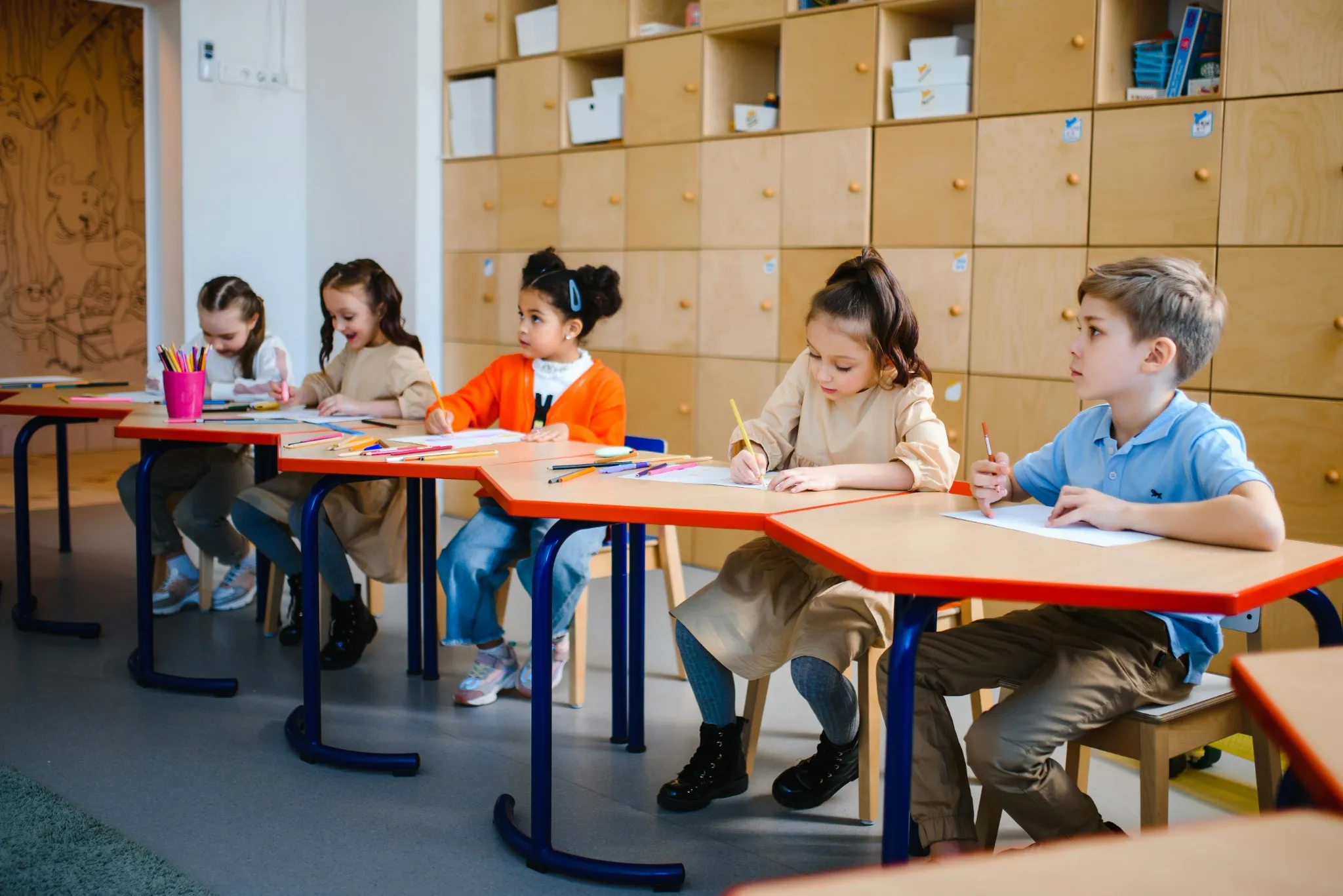
Walk into any early years classroom, and you'll see colour, movement, noise, and activity. Children painting, singing, stacking blocks, and running from one corner to another. At first glance, everything appears productive. After all, the children are busy.
But here’s the question many parents in Abu Dhabi are quietly asking today:
Is my child just busy—or are they actually growing?
The activities may look similar on the surface, but the impact on a child’s thinking, confidence, language, and emotional well-being can be worlds apart.
This distinction matters deeply for families choosing nurseries and pre-KG schools in Abu Dhabi, where expectations around education are rising, and parents are increasingly aware that early childhood is not about rushing academics—it's about laying the right foundation.
Let’s explore what this difference really means, why it matters, and how parents can recognise environments that truly help children grow.
Keeping children busy is often well-intentioned. Adults want children to stay engaged, avoid boredom, and “do something useful” with their time. In many early years settings, this is often evident in tightly packed schedules filled with back-to-back activities.
Children may:
On the surface, it looks organised and productive. Children are seated, quiet, compliant, and visibly engaged. Parents may even feel reassured when they see piles of completed worksheets or craft projects sent home.
But here’s the catch: busyness does not automatically equal learning.
When children are constantly directed, rushed, or focused on outcomes rather than experiences, they may not be developing the greater skills that truly matter in early childhood—curiosity, resilience, problem-solving, communication, and emotional awareness.
Helping children grow goes beyond filling time. It is about intentionally designing experiences that support how young children naturally learn.
Growth in early childhood is not just academic. It includes:
In environments focused on growth, activities are not rushed or random. They are purposeful, flexible, and responsive to children’s interests and developmental stages.
A growing child is not just occupied. They are engaged, curious, confident, and emotionally secure.
Here are a few reasons why this difference matters so much in the early years, shaping how children learn, feel, and grow for life:
When children spend most of their time being kept busy—moving quickly from one task to the next, following instructions without understanding, and focusing on finishing rather than exploring—they may begin to associate learning with pressure, performance, or external approval.
On the other hand, when children are supported to grow through exploration, play, and thoughtful interaction, they develop a sense of confidence and ownership over their learning. They learn that it’s okay to try, to fail, to ask questions, and to take their time.
A child who spends time deeply engaged in building a structure, negotiating roles in pretend play, or exploring how materials work is developing far more complex thinking skills than a child who rushes through multiple surface-level tasks.
Busy schedules can overwhelm young brains. Constant transitions, frequent instructions, and limited time for reflection can prevent children from fully processing experiences. In contrast, growth-focused environments allow children to slow down, revisit ideas, and build understanding gradually.
When children are simply kept busy, emotional needs can unintentionally take a back seat. There may be little time to acknowledge feelings, resolve conflicts, or help children understand their emotions.
Helping children grow means recognising that emotional development is not separate from learning—it is the foundation of it. In the early years, a child who feels safe and understood is far more prepared for academic learning than a child who has mastered worksheets but struggles with confidence or emotional regulation.
Early childhood is not the time for heavy memorisation or rigid academic expectations. It is the time for learning how to think. These thinking skills are what support success in later schooling—whether in reading comprehension, problem-solving in maths, or collaborative projects.
Busy work may produce visible results in the short term, but it rarely builds the mental flexibility children need as learning becomes more complex.
Here are a few ways educators can keep students engaged while also helping them grow in meaningful and lasting ways:
Play is often misunderstood. Many adults see play as something children do after learning, rather than how learning happens.
In reality, play is the primary way young children make sense of the world.
Through play, children:
In high-quality early years environments, play is not chaotic or unstructured. It is thoughtfully supported by educators who know when to step in, when to step back, and how to extend learning through gentle guidance and meaningful conversation.
This approach is increasingly valued by parents looking for nurseries and pre-KG schools in Abu Dhabi that focus on holistic development rather than early academic pressure.
One of the biggest differences between keeping children busy and helping them grow lies in emotional development.
Busy environments often prioritise compliance. Children are praised for sitting still, finishing tasks quickly, and following instructions. Growth-focused environments prioritise emotional awareness.
Children are encouraged to:
A child who feels emotionally secure is more likely to take risks, ask questions, and engage deeply with learning. In contrast, a child who feels pressured to perform may appear “well-behaved” but hesitate to explore or express themselves.
In the early years, language development is about far more than learning new words or reciting rhymes.
Children grow linguistically when they are invited into conversations, asked open-ended questions, and given time to explain their thinking.
In busy classrooms, adults often do most of the talking. Instructions are short, transitions are quick, and children have limited time to respond.
In growth-oriented environments, educators listen closely. They expand on children’s ideas, introduce new vocabulary naturally, and encourage dialogue between peers.
This kind of language-rich environment is especially important in Abu Dhabi, where many children are growing up multilingual. Supporting language development thoughtfully helps children build confidence across cultures and contexts.
For parents choosing a nursery or early years setting, the difference between busyness and growth may not always be obvious at first glance. However, there are signs to look for.
Many families exploring early education options come across names like Vision Nursery while researching quality early learning environments. What matters most is not the brand itself, but whether the philosophy behind it truly supports children’s overall development rather than simply filling their day with tasks.
Bottom Line
In the early years, childhood should not feel like a race. It should feel like a journey—one filled with curiosity, discovery, connection, and joy.
Keeping children busy may fill the day, but helping them grow shapes their future.
As you explore options and ask questions, remember that the most meaningful learning often happens in moments that are calm, thoughtful, and deeply engaging. Whether you are considering nurseries, early learning centres, or pre-KG schools in Abu Dhabi, choose environments that see your child not as a schedule to manage, but as a person ready to grow.
Because growth lasts far longer than busyness ever will.
Learning Through Play: How Vision Nursery’s Outdoor Spaces Build Essential Early Childhood Skills
July - 24 - 2026
Is Your Child Ready for School? How Vision Nursery's EYFS Programme Prepares Kids in Al Falah for KG1
July - 03 - 2026
7 Questions Smart Abu Dhabi Parents Ask Before Choosing a Nursery
June - 18 - 2026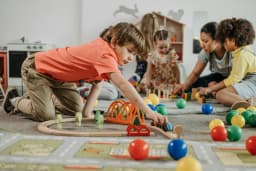
Not All Nurseries Feel the Same: Choosing a Villa Based EYFS in Abu Dhabi
June - 4 - 2026
The Hidden Reason Children Settle Faster In Villa-Based Nurseries
May - 20 - 2026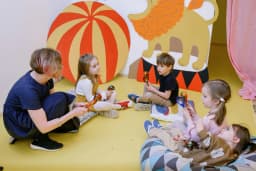
What Are the 7 Areas of Learning in EYFS
May - 14 - 2026Vision Nursery © COPYRIGHT 2024. All Rights Reserved
Designed By CODE PUBLICIST