Feb - 24 - 2026
School breaks are often viewed as an opportunity to pause, travel, or unwind. But for young children, long gaps without structure can sometimes lead to disrupted routines, boredom, or even regression in key developmental skills. That is where a well-designed holiday preschool programme plays a powerful role.
Far from being just a childcare solution, a holiday preschool can become a vibrant extension of learning — blending play, creativity, exploration, and structured development in a way that keeps children engaged while preserving the joy of holidays.
Let’s explore how holiday preschool programmes balance fun and learning — and why they are increasingly becoming a preferred choice for parents during school breaks.
In early childhood, learning does not happen in isolated academic blocks. It happens through daily interactions, routines, play, and exploration. When children experience extended breaks without stimulation, some may struggle with:
The goal is not to replicate a formal classroom — it is to create an environment where curiosity continues to flourish.
A common misconception is that holiday programmes are either purely recreational or strictly academic. The best programmes strike a balance.
A high-quality holiday preschool offers themed weeks such as:
These themes are carefully designed to integrate:
One of the strengths of a holiday preschool is its ability to preserve structure without rigidity.
Children continue to follow a predictable flow of the day:
This balance reduces anxiety and helps children transition smoothly back into the regular academic term.
One of the most valuable aspects of holiday programmes is their contribution to social-emotional skills and preschool development.
During school breaks, children may have fewer opportunities to:
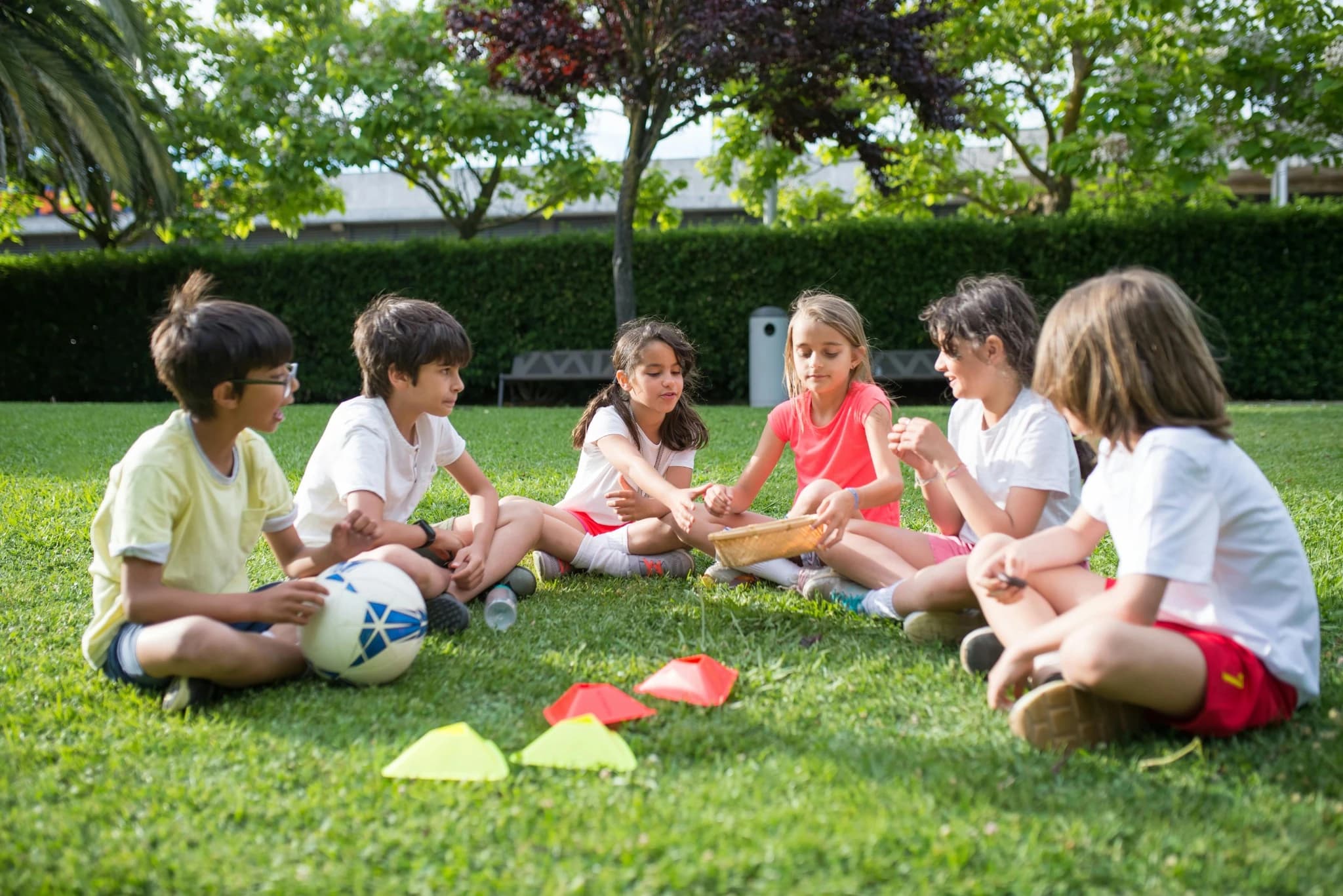
For example, when children work together to build a cardboard castle or participate in a treasure hunt, they develop cooperation and resilience.
These experiences strengthen social-emotional skills in preschool learning in ways that traditional worksheets never could.
Holiday periods are ideal for creativity. Without the pressure of formal assessments, children feel freer to experiment, imagine, and explore.
Activities might include:
Holiday preschool programmes often dedicate more time to imaginative exploration, allowing children to express individuality and confidence.
Young children need movement. During extended breaks at home, physical activity can sometimes decrease, especially in urban settings.
Holiday preschool schedules often incorporate:
Physical activity also supports emotional regulation — particularly important in early childhood.
Parents often ask, What activities are included in preschool holiday programmes?
The answer varies by institution, but comprehensive programmes typically combine:
Beyond educational value, holiday preschool programmes offer practical support for families. Many working parents face challenges balancing professional commitments during school breaks.
Reliable holiday programmes provide:
Research indicates that extended breaks can sometimes lead to minor learning regression in young children. A holiday preschool addresses this gently.
Rather than formal academic drills, teachers incorporate:
Holiday programmes often encourage children to try new things.
Because the environment feels less formal, children may:
Holiday seasons often align with cultural festivals.
Preschools may integrate:
Transitions can be challenging for young children. Shifting suddenly from school structure to unstructured home time — and back again — can create stress.
Children continue interacting with peers and educators in a familiar environment, reducing abrupt transitions.
This emotional stability supports overall well-being.
The benefits of holiday preschool extend beyond the break period.
Children develop:
Bottom Line
A thoughtfully designed holiday preschool is far more than a seasonal childcare option. It is a dynamic learning space that nurtures curiosity, creativity, and emotional growth while maintaining gentle structure during school breaks. By strengthening social-emotional skills, preschool development, and integrating enriching experiences that answer the question, What activities are included in preschool holiday programmes? These programmes ensure children continue to thrive even outside the regular academic calendar. When holidays become opportunities for joyful growth, learning truly becomes a lifelong adventure.

Not All Nurseries Feel the Same: Choosing a Villa Based EYFS in Abu Dhabi
June - 4 - 2026
The Hidden Reason Children Settle Faster In Villa-Based Nurseries
May - 20 - 2026
What Are the 7 Areas of Learning in EYFS
May - 14 - 2026
Looking for the Best Nursery Near Al Falah St, Abu Dhabi: Here’s What to Consider
April - 17 - 2026
How to Choose the Best EYFS Preschool in Abu Dhabi
March - 13 - 2026
Why Choose a British Curriculum Nursery in Abu Dhabi: A Parent’s Guide
March - 5 - 2026Vision Nursery © COPYRIGHT 2024. All Rights Reserved
Designed By CODE PUBLICIST