May - 14 - 2026
The early years of a child's life are not just about learning letters and numbers—they are about discovering the world, building confidence, and forming the foundations of who they will become. This is where the Early Years Foundation Stage EYFS becomes so important. It is not just a curriculum—it is a carefully designed approach that understands how young children truly learn.
At its core, EYFS recognises that children don’t learn best through pressure or rigid instruction. They learn through curiosity, play, and meaningful interactions. And this is where the concept of play-based learning benefits for children comes into focus—because play is not a break from learning, it is learning.
To understand this better, let’s explore the 7 Areas of Learning in EYFS and why they matter so deeply in shaping a child’s early development.
When we talk about the Early Years Foundation Stage EYFS explained, we are talking about a framework that goes beyond academics. It focuses on developing the whole child—emotionally, socially, physically, and cognitively.
The framework is divided into:
These are the most essential areas, as they form the base for all future learning:
Before a child can read or write, they must first understand and express themselves.
This area focuses on:
In an EYFS setting, this might look like storytelling, conversations during play, or group discussions.
Children who develop strong communication skills early:
Language is not just a skill—it’s a connection to the world.
Physical development is about more than just movement—it’s about confidence, control, and independence.
This includes:
Simple activities like stacking blocks or drawing shapes help children develop coordination and strength.
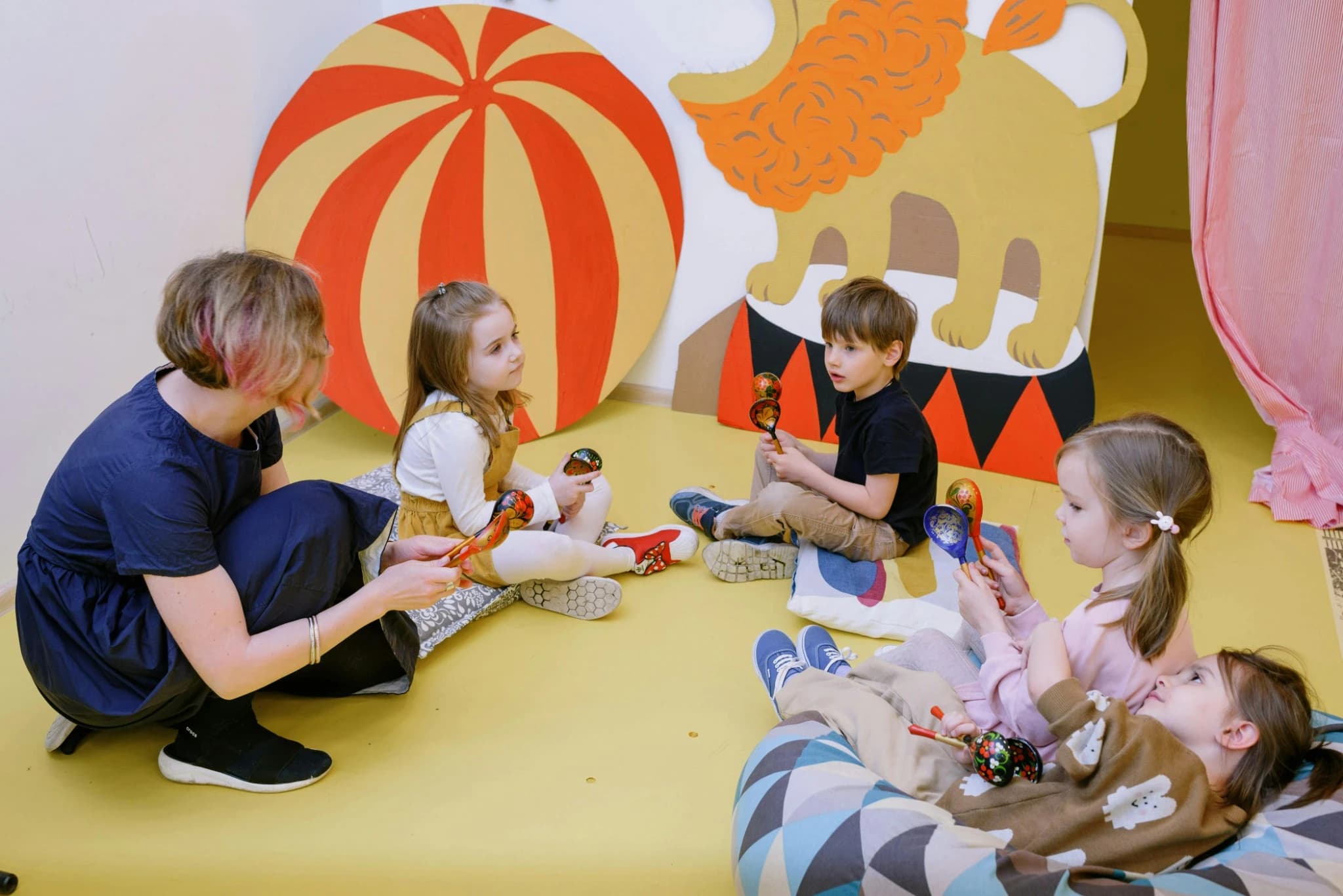
This is where play based learning benefits for children become evident. When children play, they naturally develop physical skills without even realising they are learning. Movement becomes learning in action.
This area focuses on who the child is becoming.
It includes:
In classrooms, this may involve group play, sharing activities, or guided interactions.
A child who feels safe and valued is more open to learning. As educational research consistently highlights, emotional security is the foundation of all development.
Once the Prime Areas are well-developed, children begin to explore more structured learning through the Specific Areas:
Literacy in EYFS is not about forcing reading early—it’s about building a love for language.
This includes:
Through songs, rhymes, and storytelling, children develop familiarity with language joyfully and engagingly.
When learning is enjoyable, it becomes lasting.
Mathematics at this stage is about understanding patterns, relationships, and numbers—not memorising formulas.
Children learn through:
For example, sorting toys or identifying patterns in play helps build mathematical thinking.
Again, this highlights the play based learning benefits for children, where learning happens naturally through everyday experiences.
Children are naturally curious. They want to know how things work, why things happen, and what exists beyond their immediate surroundings.
This area includes:
Activities like nature walks, exploring materials, or discussing family traditions help children develop awareness and curiosity.
It’s about helping children make sense of the world around them.
Creativity is a powerful part of early learning.
This area allows children to explore:
Through creative expression, children learn to communicate thoughts and emotions in different ways.
As many educators believe, creativity is not taught—it is nurtured.
One of the most important aspects of the Early Years Foundation Stage EYFS explained is discussed is the emphasis on play.
Play-based learning is not random—it is intentional.
It allows children to:
The play based learning benefits for children include:
The 7 areas of learning are not separate—they are deeply interconnected.
For example:
While the framework provides structure, the real impact lies in how it is delivered.
Educators in EYFS settings:
Bottom Line
The 7 Areas of Learning in EYFS are not just educational guidelines—they are a foundation for lifelong growth. They ensure that children develop the confidence, curiosity, and skills needed to navigate the world.
When the Early Years Foundation Stage EYFS is truly understood, it becomes clear that early education is not about rushing children into academics—it's about nurturing their potential through meaningful experiences. And through the play based learning benefits for children, this framework creates an environment where learning feels natural, joyful, and impactful.
Because in the early years, the goal is not just to teach—it is to inspire a lifelong love for learning.
Finding the Best Preschool in Al Falah, Abu Dhabi: A Parent's Complete Guide to Choosing an EYFS Nursery
Aug - 19 - 2026
Learning Through Play: How Vision Nursery’s Outdoor Spaces Build Essential Early Childhood Skills
July - 24 - 2026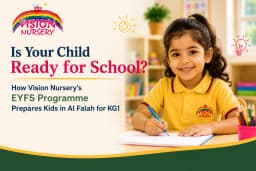
Is Your Child Ready for School? How Vision Nursery's EYFS Programme Prepares Kids in Al Falah for KG1
July - 03 - 2026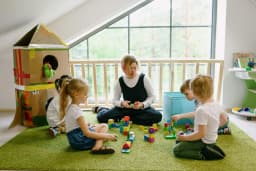
7 Questions Smart Abu Dhabi Parents Ask Before Choosing a Nursery
June - 18 - 2026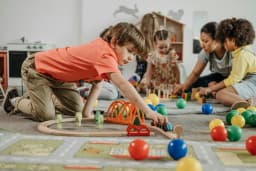
Not All Nurseries Feel the Same: Choosing a Villa Based EYFS in Abu Dhabi
June - 4 - 2026
The Hidden Reason Children Settle Faster In Villa-Based Nurseries
May - 20 - 2026Vision Nursery © COPYRIGHT 2024. All Rights Reserved
Designed By CODE PUBLICIST