Nov - 11 - 2025
The early years of a child's life are critical for developing social, emotional, and cognitive skills. It is during these formative years that children learn essential life skills such as empathy, cooperation, self-regulation, and effective communication. In dynamic regions like the UAE, parents are always worried about which is the best nursery in the UAE. It is important to consider that they provide the perfect environment for fostering these crucial traits. Whether it’s through structured routines, interactive play, or guided social interactions, nurseries play a significant role in shaping children’s positive behaviour and social skills.
In this blog, we will explore how nurseries contribute to a child's development, the importance of selecting the right nursery, and how you can ensure your child is receiving the support they need.
Positive behaviour in young children is defined as actions that promote cooperation, respect, and emotional balance. Nurseries provide a structured environment where children learn these behaviours through both guided activities and peer interactions.
Here are the primary ways nurseries help shape positive behaviour:
Children thrive in environments that are predictable and structured. A clear daily routine at a nursery in Abu Dhabi helps children understand expectations, which promotes positive behaviour. For instance, meal times, nap times, and play times are set at specific intervals, providing a sense of security and stability for the children.
Through these routines, children learn to respect time, follow rules, and develop an understanding of the importance of discipline. Setting clear expectations helps children learn self-control, such as waiting their turn or sharing toys, which are essential social skills.
In a nursery setting, caregivers and teachers play a pivotal role in modelling positive behaviours. Children often imitate adults, especially those they see regularly. When caregivers exhibit kindness, patience, and respect, children are more likely to adopt these traits themselves.
For example, if a teacher consistently models polite speech, patience during playtime, and cooperative behaviour with peers, children learn to replicate those same behaviours in their interactions.
One of the greatest benefits of attending a nursery is the opportunity for children to interact with their peers. These peer-to-peer interactions provide valuable learning experiences in social behaviour, such as taking turns, sharing, and resolving conflicts.
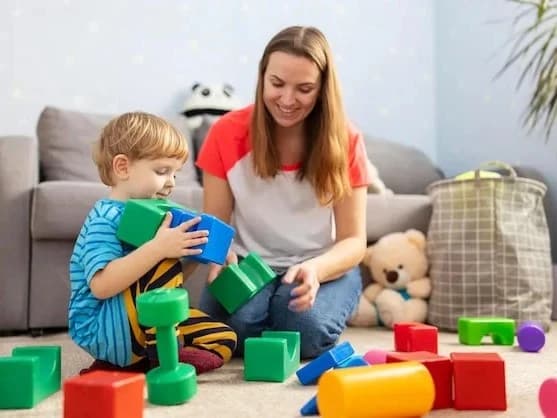
In the best nursery in Abu Dhabi, children work together on various tasks such as building blocks, participating in group play, or working on arts and crafts. These activities help children practice social skills, learn empathy, and experience the benefits of cooperation. Conflict resolution, when handled constructively by caregivers, also teaches children how to manage disagreements respectfully.
Along with positive behaviour, social skills are a vital component of a child’s development. These skills allow children to effectively navigate their relationships with peers, teachers, and others as they grow.
Here’s how nurseries foster these social skills:
From a young age, children need to develop communication skills to express their needs, thoughts, and feelings. Nurseries provide various opportunities for children to engage in conversations with adults and peers. Through storytelling, group activities, and guided play, children learn the basics of verbal communication, including listening, speaking clearly, and asking questions.
Nurseries also teach non-verbal communication, such as using facial expressions and body language to convey emotions. These interactions help children learn the value of both speaking and listening, essential components of effective social engagement.
Empathy is the ability to understand and share the feelings of others. Nurseries are ideal environments for teaching children how to empathise with their peers. For instance, if one child is upset because they cannot find their favourite toy, caregivers guide the group in showing empathy: 'How do you think your friend feels? What can we do to help them feel better?'
These kinds of discussions promote emotional intelligence, helping children understand the emotional states of others and encouraging them to respond with care. Over time, children begin to recognise the feelings of those around them and learn appropriate ways to react.
In a nursery, children often engage in group activities that require cooperation, such as cleaning up toys together or working on shared projects. These tasks help children understand the importance of teamwork, teaching them to cooperate with others to achieve a common goal.
When children collaborate in a group setting, they learn to respect others' opinions, share resources, and solve problems collectively. These activities foster social harmony and prepare children for future group interactions, whether in school, work, or social settings.
Play is essential for the development of both positive behaviour and social skills. In nurseries, children learn through both structured and unstructured play. Play is not only a way to have fun but also an important tool for developing cognitive and social abilities.
During structured play, children engage in activities that are guided by caregivers, such as group games, arts and crafts, or educational activities. These help children follow instructions, learn new skills, and interact with their peers in a controlled environment.
Free play gives children the autonomy to choose their activities and engage in imaginative play. Through this type of play, children learn problem-solving skills, creativity, and social roles. Free play encourages children to experiment with different behaviours and social scenarios, fostering independence and confidence.
Choosing the right nursery is essential for ensuring that your child receives the best start in their developmental journey. If you're wondering, what is the best nursery in the UAE for your child, it's important to consider factors such as the nursery's reputation, curriculum, teacher qualifications, and approach to child development.
For example, the best nursery in Abu Dhabi should offer a balanced approach that includes both structured learning and ample opportunities for social interactions. Look for nurseries that focus on emotional, social, and cognitive development through a combination of play, guided activities, and positive behaviour reinforcement.
Choosing the right time for your child to join a nursery is a critical decision for their development. In the UAE, children can generally start attending nurseries from as early as 3 months, with most nurseries offering programs for children between the ages of 2.5 to 4 years old. While each nursery may have specific entry criteria, here's a general breakdown:
Some nurseries accept infants as young as 3 months, focusing on care and bonding. At this stage, nurseries provide a nurturing environment that encourages sensory stimulation and early emotional connections. These programs help babies feel secure and start establishing routines.
At this stage, toddlers are ready for more interaction with peers and engaging in activities that build motor and social skills. These programs emphasise early communication, emotional regulation, and group play.
Most children join a nursery at this age, where the focus shifts more to early learning. Programs introduce academic concepts like basic numeracy, literacy, and problem-solving, while also helping children improve social skills and emotional resilience.
Bottom Line
Nurseries are instrumental in helping children develop positive behaviour and essential social skills during the early years of life. These early childhood experiences lay the foundation for future success in both academic and social settings. When selecting the right nursery, it’s important to consider factors like the nursery’s approach to child development, curriculum, and teacher qualifications. Whether you're looking for the best nursery in Abu Dhabi or exploring options across the UAE, choosing the right environment is key to ensuring that your child receives the best possible start.

How to Choose the Best EYFS Preschool in Abu Dhabi
March - 13 - 2026
Why Choose a British Curriculum Nursery in Abu Dhabi: A Parent’s Guide
March - 5 - 2026
How a Holiday Preschool Supports Learning and Fun During School Breaks
Feb - 24 - 2026
What Makes a Nursery the Best Nursery in Abu Dhabi: Key Features to Look Fors
Feb - 20 - 2026
Why the First School Experience Shapes a Child’s Relationship with Learning
Feb - 12 - 2026
The Difference Between ‘Keeping Children Busy’ and Helping Them Grow
Feb - 05 - 2026Vision Nursery © COPYRIGHT 2024. All Rights Reserved
Designed By CODE PUBLICIST