Jan - 29 - 2026
Early literacy does not begin with worksheets or formal reading lessons—it starts with play. Through play, young children explore language, sounds, symbols, and meaning in ways that feel natural and joyful. Research in early childhood education consistently shows that children develop stronger communication and pre-reading skills when learning is embedded in everyday play experiences rather than isolated academic tasks.
That is why play-based learning activities for preschoolers are widely recognised as one of the most effective ways to nurture early literacy skills while keeping children engaged, confident, and curious.
Below are ten carefully selected play-based activities that support early literacy development and can be used both in preschool classrooms and at home:
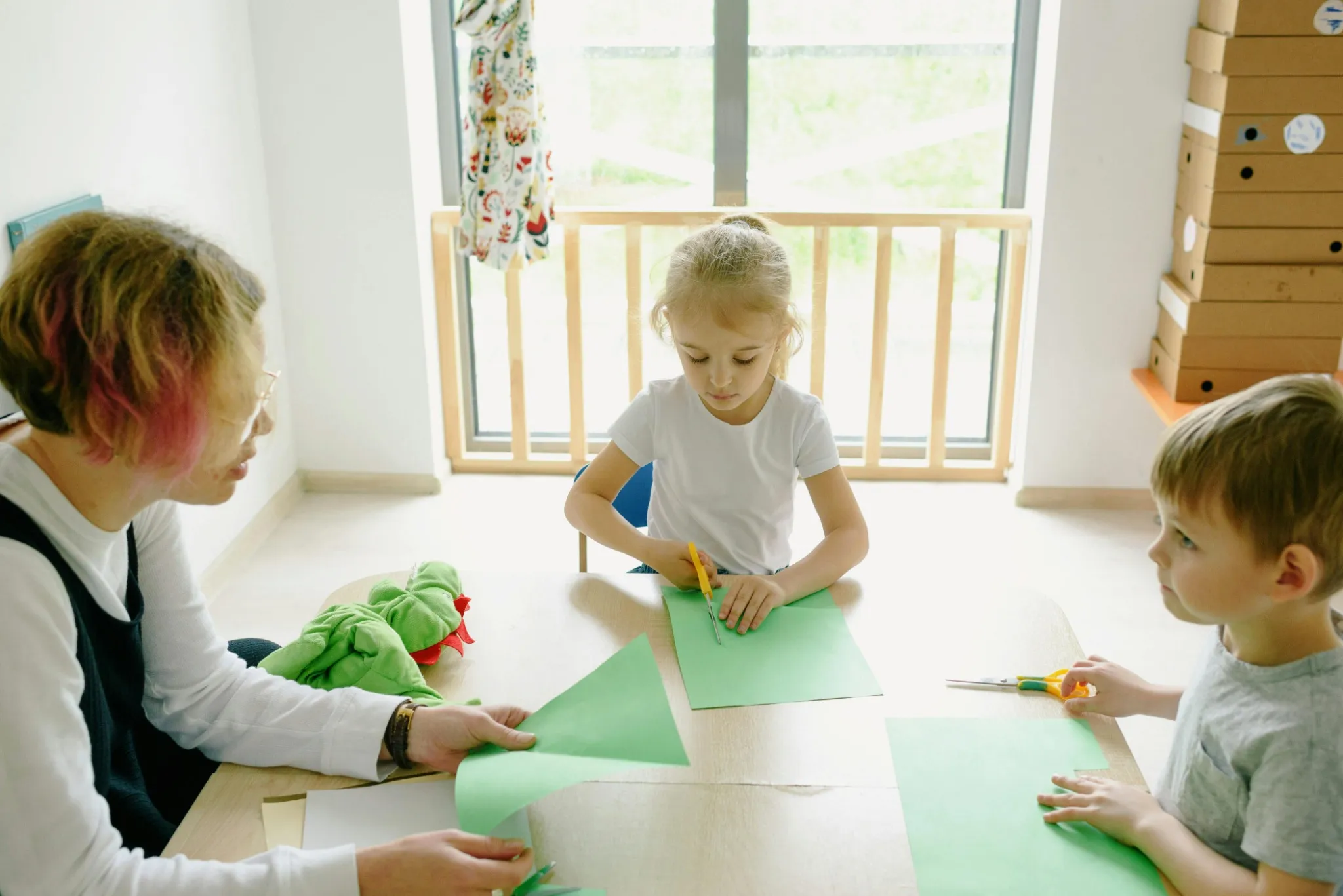
Storytelling becomes far more powerful when children can see and touch the story. Using puppets, soft toys, or everyday objects, children can act out familiar stories or invent their own.
This activity supports:
Children often retell stories in their own words, strengthening comprehension and expressive language without feeling like they are 'learning.'
Role play is one of the richest environments for language growth.
Whether it’s a pretend grocery store, doctor’s clinic, restaurant, or home corner, children naturally:
These interactions build conversational skills and help children understand how language works in real-life contexts.
Nursery rhymes and songs are foundational to early literacy because they develop phonological awareness—the ability to hear and work with sounds.
Through clapping, jumping, and actions, children learn:
These skills directly support future reading and spelling abilities, especially for early learners.
Sometimes, literacy grows even without reading the text.
Give children picture books and encourage them to:
This strengthens visual literacy, vocabulary, and storytelling skills while fostering imagination and confidence.
Sensory play makes abstract concepts tangible.
Activities like:
help children recognise letter shapes and associate them with sounds—without the pressure of writing on paper.
Children are naturally interested in their own names.
Using name cards, photo labels, or cubby tags, children begin to:
This builds print awareness, one of the earliest indicators of reading readiness.
Sequencing activities help children understand how stories and language flow.
Using picture cards from familiar stories or daily routines, children can:
This strengthens comprehension and prepares children for structured reading later in their education.
Small world play uses miniature objects like animals, vehicles, people, and buildings.
As children play, they:
This kind of play supports expressive language, imagination, and storytelling skills—key components of early literacy.
Children learn to read long before they read books—by recognising environmental print.
Create a print hunt where children identify:
This teaches them that words and symbols are everywhere and carry meaning, making literacy relevant and exciting.
Early writing begins with drawing.
When children draw pictures and explain them, they are:
Encourage “writing” through:
This lays the foundation for confident writing later on.
Play-based learning supports literacy because it aligns with how young children naturally learn. Instead of memorising letters or words, children experience language.
Benefits include:
Play also allows children to learn at their own pace, making it inclusive for different learning styles and abilities.
Play does not mean absence of guidance.
Teachers and parents play a crucial role by:
This gentle scaffolding helps children move from simple language use to more complex communication.
Children who experience strong play-based literacy environments often show:
These skills make the transition to formal reading instruction smoother and more successful.
Parents don’t need special tools or expensive resources. Everyday moments offer powerful literacy opportunities:
The key is consistency and interaction, not perfection.
Parents don’t need special tools or expensive resources. Everyday moments offer powerful literacy opportunities through play-based learning activities for preschoolers that happen naturally at home. Simple actions such as:
Help children connect words with meaning in relaxed and enjoyable ways. The key is consistency and interaction, not perfection.
Bottom Line
Early literacy thrives when children are given space to explore language through joyful, meaningful experiences. Play creates that space—where curiosity leads, confidence grows, and communication flourishes.
If you’re wondering, how does play-based learning benefit preschoolers, the answer lies in its ability to turn everyday play into rich language experiences that support reading readiness, emotional growth, and lifelong learning habits.
When play is purposeful, literacy follows naturally—and learning becomes something children love, not fear.
7 Questions Smart Abu Dhabi Parents Ask Before Choosing a Nursery
June - 18 - 2026
Not All Nurseries Feel the Same: Choosing a Villa Based EYFS in Abu Dhabi
June - 4 - 2026
The Hidden Reason Children Settle Faster In Villa-Based Nurseries
May - 20 - 2026
What Are the 7 Areas of Learning in EYFS
May - 14 - 2026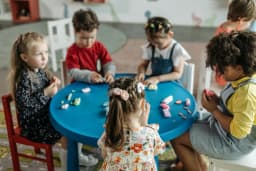
Looking for the Best Nursery Near Al Falah St, Abu Dhabi: Here’s What to Consider
April - 17 - 2026
How to Choose the Best EYFS Preschool in Abu Dhabi
March - 13 - 2026Vision Nursery © COPYRIGHT 2024. All Rights Reserved
Designed By CODE PUBLICIST