Dec - 27 - 2025
The transition from nursery to big school is a significant milestone in every child’s life. It marks the beginning of their formal education journey, where they will face new challenges, learn more complex skills, and adapt to a different environment. In Abu Dhabi, nurseries play a crucial role in preparing children for this transition, ensuring they are ready for the academic and social demands of school.
Nurseries in Abu Dhabi are not just places for basic care; they provide a foundational learning experience that prepares children for big school admissions. Through a combination of play-based learning activities for preschoolers, these nurseries lay the groundwork for future academic success and personal development. In this blog, we will explore how nurseries in Abu Dhabi ensure that children are ready for big school and the essential skills they develop during their early education.
In the UAE, the early years of schooling are part of what is called the Foundation Stage (FS), which is designed to prepare children for primary school. This stage, which typically includes FS1 and FS2, focuses on laying the academic, social, and emotional foundations that children will build upon as they progress through their school years.
The Foundation Stage is the first formal phase of the national curriculum in the UAE. It focuses on fostering well-rounded development in children, ensuring that they develop the essential skills needed for primary school. For children in FS1, the emphasis is on developing early literacy and numeracy skills, but also on social, emotional, and physical development. FS1 is a vital year where children learn the basic skills needed to integrate into big school settings, including managing themselves in a structured classroom environment, following instructions, and beginning to engage with their peers.
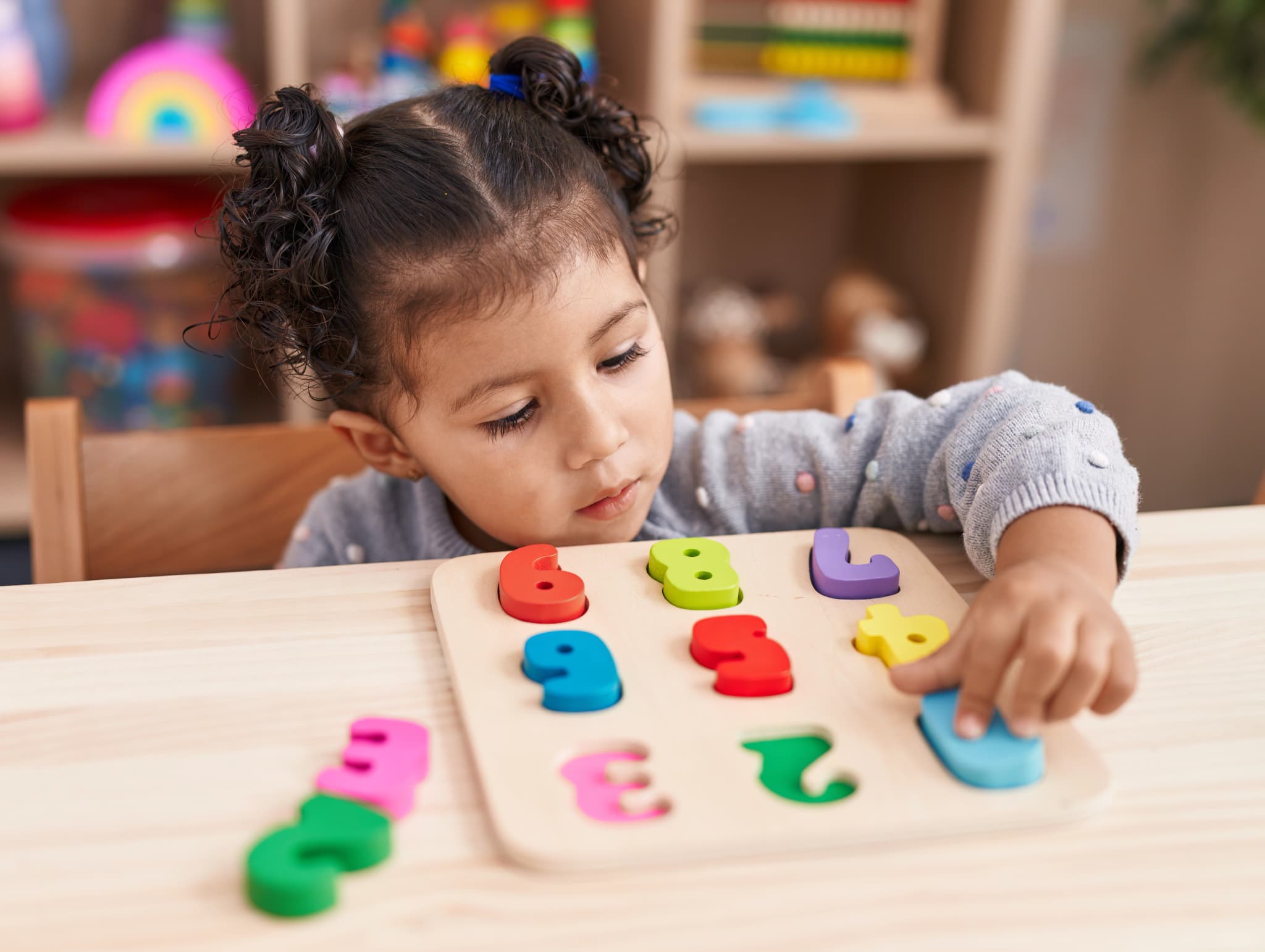
One of the most effective methods used by nurseries in Abu Dhabi to prepare children for big school is play-based learning. In early childhood education, play is a vital learning tool that helps children develop cognitively, emotionally, and socially. Research has shown that children learn best when they engage in hands-on activities that allow them to explore, experiment, and problem-solve.
Nurseries use a wide range of play-based learning activities for preschoolers that encourage curiosity, creativity, and critical thinking. These activities can include everything from building with blocks and playing pretend to arts and crafts, singing, and outdoor play. The key is that these activities allow children to learn through exploration and experience rather than simply being taught in a traditional, academic manner. This approach aligns closely with the foundation stage in UAE schools, which emphasises early childhood education that focuses on play and hands-on learning. The Foundation Stage, which includes FS1 and FS2, encourages similar developmental processes where children learn foundational skills in a nurturing, engaging environment.
Here are a few types of play-based learning activities that educators can try:
Children engage in pretend play, taking on different roles (e.g., doctors, teachers, or parents). This helps them develop communication skills, empathy, and social understanding.
Building structures with blocks encourages problem-solving, spatial awareness, and fine motor skills development.
Activities like sand play, water play, or finger painting help children explore their senses and develop cognitive and motor skills.
Singing songs and dancing to music promotes coordination, rhythm, and listening skills.
These play-based learning activities for preschoolers are not only fun, but they are also deeply educational. They help children develop skills that will be crucial as they move into formal schooling, such as following directions, working collaboratively, and developing concentration and focus.
Another key aspect of preparation for big school is social emotional learning (SEL), which is fundamental in helping young children understand and manage their emotions, form positive relationships, and make responsible decisions. Social-emotional learning preschool programs are designed to help children develop empathy, self-regulation, and resilience—skills that are critical for success both in and out of the classroom.
Nurseries in Abu Dhabi integrate SEL into their daily routines, offering children opportunities to practice these skills in a safe, structured environment. SEL is particularly important as children transition to big school, where they will encounter new social dynamics, larger groups of peers, and more complex emotional experiences.
Take note of these components for SEL learning in a preschool:
Helping children recognise their emotions and understand how they influence their behaviour.
Teaching children how to manage their emotions and impulses, especially in challenging situations.
Encouraging children to consider the feelings and perspectives of others.
Promoting positive interactions with peers, such as sharing, taking turns, and resolving conflicts.
Helping children make choices that reflect positive values, such as honesty and kindness.
Through structured activities and guided interactions, social-emotional learning preschool programs lay the foundation for healthy social interactions and emotional well-being. These skills will help children navigate their school environments, build strong friendships, and cope with the challenges they encounter as they grow. Educators often ask, How does FS1 develop social skills? By encouraging group play, turn-taking, and cooperative activities, FS1 helps children learn the basics of communication, empathy, and conflict resolution, which are essential for building lasting relationships and succeeding in future educational settings.
FS1 is a crucial year in a child’s development, as it is the first time they are exposed to formal schooling. During this stage, children focus heavily on developing social skills. FS1 in UAE schools aims to create a social environment where children can interact with their peers, learn the importance of cooperation, and practice conflict resolution.
In FS1, children typically engage in activities that encourage socialising and working as a group.
Through these experiences, they learn how to:
Whether they are working together to build a tower from blocks or sharing toys during playtime, children in FS1 learn to collaborate and share resources.
They are taught the importance of polite manners, such as saying “please” and “thank you,” and respecting others’ personal space.
FS1 teachers guide children in navigating conflicts in a peaceful, constructive way, teaching them to use words rather than actions when expressing frustration or disagreement.
By the end of FS1, children are not only more confident in their social interactions, but they also develop a stronger sense of self-awareness, empathy, and responsibility. These skills are crucial for big school, where children will need to interact with larger groups of peers, adapt to more complex social dynamics, and work in teams.
The transition from nursery to big school can be intimidating for young children, but nurseries play a pivotal role in building their confidence and independence. By offering structured routines, play-based learning, and SEL activities, nurseries help children develop the emotional resilience needed to succeed in school.
The exposure to FS1 activities also helps children get comfortable with the expectations of primary school, such as sitting at a desk, following a more structured schedule, and participating in group activities. As children grow in their social and emotional skills, they develop a sense of belonging and confidence, which makes the transition to big school much easier.
When considering a nursery for your child in Abu Dhabi, it's essential to find one that aligns with your educational goals and provides a nurturing environment.
Here are some things to consider:
Look for nurseries that offer a well-rounded curriculum, integrating both academic and social-emotional learning. A focus on play-based learning activities for preschoolers is crucial for your child’s development.
Ensure that the nursery’s teachers are well-trained and experienced, particularly in managing the social and emotional development of young children.
Choose a nursery that provides a safe, stimulating environment with a variety of materials and resources for both structured and free play.
Ask for recommendations from other parents and check reviews to ensure the nursery has a positive reputation for developing well-rounded children.
Bottom Line
Nurseries in Abu Dhabi play an essential role in preparing children for the transition to big school. Through play-based learning activities for preschoolers, social-emotional learning preschool programs, and a strong focus on FS1 development, these nurseries ensure that children are equipped with the social skills, emotional resilience, and academic readiness needed for success in school.
By creating a structured yet nurturing environment, nurseries foster confidence, cooperation, and self-regulation—skills that will serve children well in their school years and beyond. Choosing the right nursery that provides these developmental opportunities will give your child a strong foundation for the challenges of big school admissions and beyond.
How to Choose the Best EYFS Preschool in Abu Dhabi
March - 13 - 2026
Why Choose a British Curriculum Nursery in Abu Dhabi: A Parent’s Guide
March - 5 - 2026
How a Holiday Preschool Supports Learning and Fun During School Breaks
Feb - 24 - 2026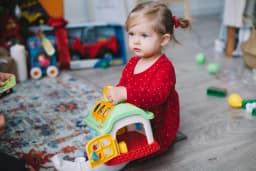
What Makes a Nursery the Best Nursery in Abu Dhabi: Key Features to Look Fors
Feb - 20 - 2026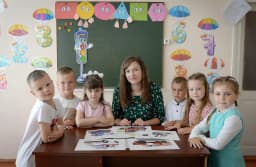
Why the First School Experience Shapes a Child’s Relationship with Learning
Feb - 12 - 2026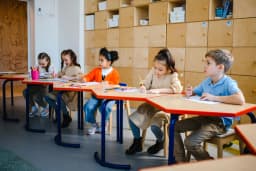
The Difference Between ‘Keeping Children Busy’ and Helping Them Grow
Feb - 05 - 2026Vision Nursery © COPYRIGHT 2024. All Rights Reserved
Designed By CODE PUBLICIST