July - 15 - 2025
A child's brain develops quickly during the first 2-5 years of age. This is why the early years of a child's life are the most powerful. They learn to communicate, build better emotional bonds, and the whole world starts to make sense to them. This age bracket is also significant as it is only during this time that their personalities start to blossom. This is why choosing the right early learning framework is essential. This can be a bit tricky for parents, especially when trying to balance academic readiness with a nurturing, stress-free environment. However, the best EYFS Preschool in Abu Dhabi gives kids the structure, attention, and individualised education they need to develop their social skills, self-assurance, and a solid foundation for success in the future.
The national framework for early childhood education established by the UK government is called the Early Years Foundation Stage (EYFS) Framework. Children from birth to age five are covered by it.
Choosing an EYFS Preschool in Abu Dhabi means parents can trust that their child is supported by a structured yet compassionate framework designed to help them thrive academically, socially, and emotionally. All early years establishments, including nurseries, preschools, and reception classrooms, follow the same high standards set by the EYFS, ensuring consistent quality across every setting. These standards centre on learning, growth, and nurturing care, creating a secure and enriching foundation for young children.
The foundation of the framework is the idea that every child is different and may develop remarkably, provided they feel encouraged and understood. It highlights the value of healthy relationships, acknowledging that secure, cosy bonds support children's emotional and social development.
Additionally, EYFS settings place a high priority on establishing interesting, well-organised areas that encourage curiosity and boost self-esteem. Lastly, the framework recognises that children learn at their own pace and guarantees that their growth is supported by deliberate, structured supervision that enables them to achieve consistent, significant progress.
The foundation of the EYFS curriculum is based on 7 key areas of learning and development. They are divided into two broad categories: Prime and specific.
Instead of treating these as separate areas of expertise, the EYFS curriculum weaves them together through guided exploration, practical experiences, and meaningful play.
The EYFS curriculum introduces the greatest Early Years practices from the UK into nurseries around Abu Dhabi, as the UAE continues to adopt international education standards.
In a cosmopolitan city like Abu Dhabi, where children come from a variety of backgrounds and benefit from a framework that embraces individuality, its play-based, child-led approach fosters both academic and emotional development—a crucial balance.
Abu Dhabi's parents value the EYFS's ability to balance disciplined education with caring care. According to Ofsted research, children in EYFS settings usually have better communication skills and are more emotionally prepared when they start primary school, which further supports the widespread faith in this method.
Here are a few ways the EYFS approach strengthens early education and ensures children develop with confidence, curiosity, and a love for learning:
The Early Years Foundation Stage (EYFS) framework is centred on promoting young children's cognitive, emotional, and physical development. The EYFS guarantees that young children develop holistically by emphasising these elements.
In the EYFS method, social and cultural impacts on a young child's development must be considered. This makes it easier for schools, daycare centres, and childminders to establish a setting that meets the individual requirements and backgrounds of every child.
The child's general well-being is given top priority in the EYFS framework. In addition to academic advancement, schools place a strong emphasis on the development of social skills and emotional intelligence. This all-encompassing strategy lays a solid basis for future academic achievement in classrooms.
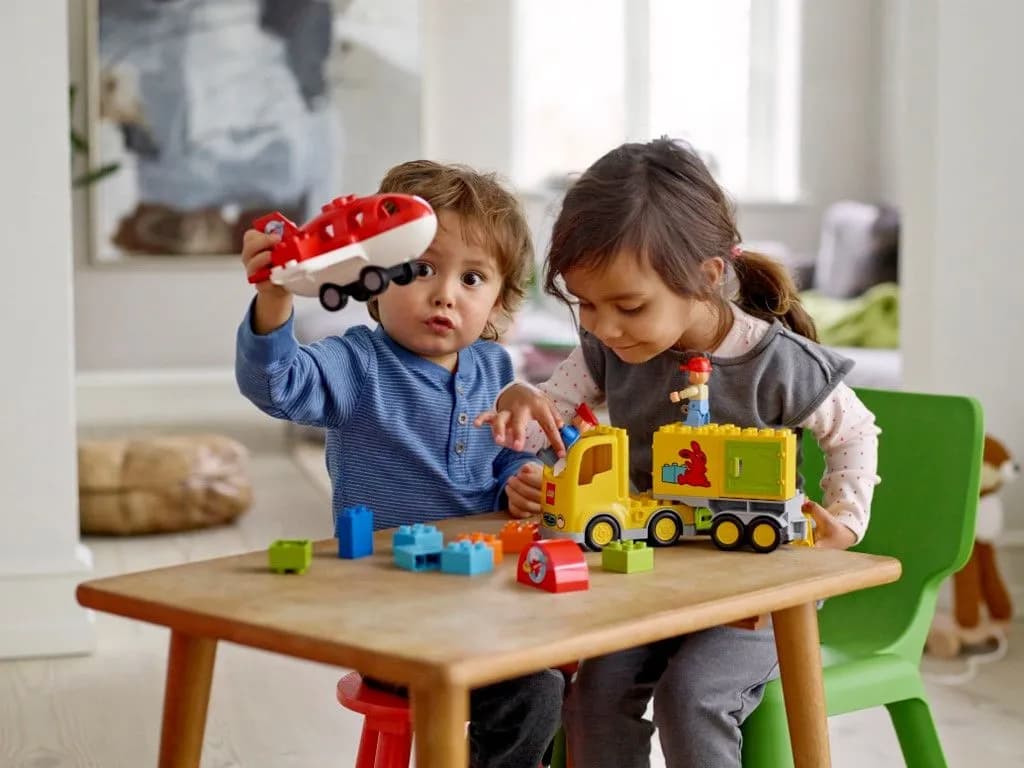
A key component of the Early Years Foundation Stage (EYFS) framework in UAE nurseries and preschools is learning through play. Children in schools actively participate in their education when play is used as the main teaching tool. In addition to encouraging creativity, this method helps young students in schools develop their problem-solving abilities.
Children at holistic learning preschools explore numerous materials and engage in imaginative play scenarios while developing critical social skills through a variety of enjoyable and informative activities.
Children in schools are encouraged to explore language, collaborate with others, and learn about how things function around them because of the emphasis on learning through play.
The EYFS makes sure that kids have a strong foundation in important areas like language and communication, physical development, and social, emotional, and psychological growth. Children can begin their educational path with confidence thanks to this focus.
The EYFS allows teachers to give individualised attention when necessary by examining the variations in each student's learning preferences and developmental stages.
This customised approach guarantees that every child gets the help they need to succeed academically and emotionally.
To maintain continuity between the home and school environments, cooperation between educators and families is encouraged. Together, parents and educators may gain a deeper understanding of each child's requirements, preferences, and developmental stage.
Creating a complete learning environment for kids requires fostering a healthy home-school collaboration. Active parental involvement in their child's education encourages consistency in teaching methods and rewards good behaviour at home and in the classroom.
Parents have a crucial role in progressive schools that adhere to the EYFS framework by taking part in events like parent-teacher conferences, workshops, or even volunteer opportunities.
In order to measure personal development within the Early Years Foundation Stage framework, development monitoring is crucial. Teachers learn about each child's strengths and areas that need more attention through observation and assessment.
In EYFS settings, continuous assessment entails routinely reviewing children's development to pinpoint areas that require improvement. This continuous procedure makes it possible for teachers to give positive feedback, which greatly improves learning results.
Giving children constructive criticism is essential to helping them successfully reach their developmental goals. Teachers can enhance each child's individual learning journey by providing clear and practical guidance.
One essential component of contemporary educational environments is the integration of digital resources into instructional practices. Teachers may design dynamic, captivating lessons that accommodate various learning preferences by using technology.
This method not only makes learning more enjoyable overall, but it also helps young students grasp things more deeply. These institutions give students the fundamental skills they need to succeed in today's digital environment by acquainting them with digital platforms and gadgets.
Additionally, incorporating technology into the classroom fosters children's critical thinking, problem-solving, and adaptability skills, all of which are essential for success in the twenty-first century.
Children's experiences are enhanced when cultural diversity is celebrated in the classroom. All children may flourish in an inclusive environment, regardless of their backgrounds or skill levels. Students and staff feel more connected when diversity is valued as an asset in the classroom.
Providing individualised support helps ensure every child feels included and capable of thriving. At the same time, fostering a strong sense of community among preschoolers encourages acceptance, understanding, and meaningful social connections.
Teachers and caregivers play an essential role in shaping this welcoming environment, creating a space where diversity is valued, and every child feels seen and supported.
Early childhood education is guaranteed to fulfil internationally recognised standards when international standards are followed. Nurseries in Abu Dhabi and preschools in the UAE show a dedication to excellence by adhering to standards established by international educational organisations.
Children's learning experiences are enhanced by ensuring adherence to these standards, which provide uniformity in educational procedures.
Bottom Line
The Early Years Foundation Stage guarantees that every child is supported, encouraged, and celebrated during their most formative years because a great start produces bright futures. The EYFS preschool in Abu Dhabi offers families a dependable, child-centred framework based on play, caring, and intentional learning, preparing children for life after school. Young students gain the foundation they need to develop self-assurance, curiosity, and a lifelong love of learning in specialised settings.
Finding the Best Preschool in Al Falah, Abu Dhabi: A Parent's Complete Guide to Choosing an EYFS Nursery
Aug - 19 - 2026
Learning Through Play: How Vision Nursery’s Outdoor Spaces Build Essential Early Childhood Skills
July - 24 - 2026
Is Your Child Ready for School? How Vision Nursery's EYFS Programme Prepares Kids in Al Falah for KG1
July - 03 - 2026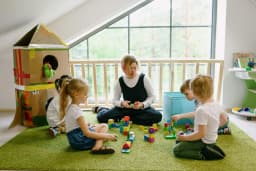
7 Questions Smart Abu Dhabi Parents Ask Before Choosing a Nursery
June - 18 - 2026
Not All Nurseries Feel the Same: Choosing a Villa Based EYFS in Abu Dhabi
June - 4 - 2026
The Hidden Reason Children Settle Faster In Villa-Based Nurseries
May - 20 - 2026Vision Nursery © COPYRIGHT 2024. All Rights Reserved
Designed By CODE PUBLICIST